Cartridge Rituals
Blowing into a NES cartridge was a near-universal UK ritual in the 80s. Whether it actually worked or not was beside the point — it was part of the Sunday afternoon experience.
◆ INSERT CARTRIDGE ◆
A UK editorial guide to the platformers, puzzles and adventures that shaped home gaming.
From the glow of the CRT to the satisfying click of a cartridge slot, we revisit the 8-bit and 16-bit masterpieces that turned living rooms into arcades.
Six fascinating facts about the cartridges, pixels and legends of classic home gaming.
Blowing into a NES cartridge was a near-universal UK ritual in the 80s. Whether it actually worked or not was beside the point — it was part of the Sunday afternoon experience.
The NES could only display 25 colours on screen at once from a palette of 52. Developers had to be incredibly creative with colour choices to make their games pop on CRT televisions.
Before battery-backed saves, many games used long alphanumeric passwords. Writing them down wrong meant losing hours of progress — a frustration every 90s kid knew well.
Contra and other run-and-gun titles popularised local multiplayer on a single screen. The phrase "couch co-op" was born from these shared living-room sessions where passing a controller was part of the fun.
Tetris was created in 1984 by Soviet engineer Alexey Pajitnov. It became one of the best-selling games of all time despite having no characters, no story and only seven block shapes.
Nintendo's Mario and Sega's Sonic were more than characters — they were brand mascots that drove console wars in the early 90s. A strong mascot could sell millions of consoles.
Ten games that helped define living-room gaming for generations.
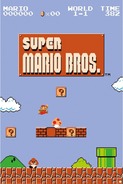
Super Mario Bros. rescued the video game industry from its post-crash slump and redefined what a platformer could be. Its tight level design, hidden secrets and iconic soundtrack made it a living-room essential. Every leap, pipe and power-up felt meticulously crafted. It remains the benchmark against which all 2D platformers are measured.
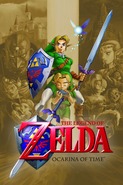
The Legend of Zelda introduced a non-linear open world to home consoles, letting players explore Hyrule in any direction. Its battery-backed save feature was revolutionary for the time, allowing epic adventures to be resumed days later. The mix of combat, puzzle-solving and discovery created a template that action-adventure games still follow today.
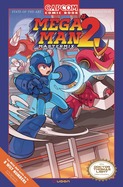
Mega Man 2 is widely regarded as the pinnacle of the Blue Bomber's NES adventures. Its clever Robot Master design, memorable soundtrack and the iconic Weapon Copy system gave players new tools after every boss battle. The game struck a perfect balance between challenge and fairness, making it a beloved entry in UK retro collections.

Castlevania brought Gothic horror to the NES with whip-cracking action, towering staircases and iconic boss fights. Its deliberate, weighty movement system forced players to think before they acted. The atmosphere, powered by a haunting soundtrack and detailed pixel art, made exploring Dracula's castle feel genuinely thrilling.
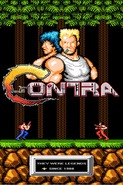
Contra is the definitive run-and-gun experience on the NES, challenging players with relentless enemy waves and screen-filling bosses. Its two-player co-op mode was a staple of sleepover gaming sessions across the UK. The Spread Gun remains one of gaming's most satisfying power-ups, and the game's difficulty is legendary.
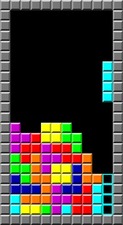
Tetris is the ultimate puzzle game — deceptively simple and endlessly addictive. Its Game Boy port turned a handheld console into a global phenomenon. The combination of falling blocks, escalating speed and that timeless Russian folk theme created a hypnotic loop that has never been bettered.
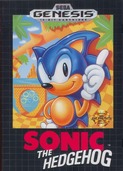
Sonic the Hedgehog arrived as Sega's answer to Mario, and he brought speed. The game's blistering pace, loop-de-loops and vibrant Green Hill Zone showcased the Mega Drive's hardware capabilities. Sonic's attitude and design felt distinctly 90s, making him an instant icon in UK playgrounds.
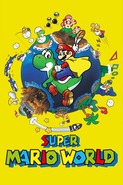
Super Mario World was a launch title for the SNES and it showed exactly what 16-bit gaming could achieve. Yoshi joined the franchise for the first time, adding a new layer of gameplay. The sprawling overworld map, secret exits and tight platforming made it an instant classic that shipped with millions of SNES consoles.
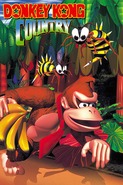
Donkey Kong Country stunned the gaming world with pre-rendered 3D graphics on a 16-bit console. Rare's technical wizardry pushed the SNES to its limits, creating a platformer that looked like nothing else at the time. The buddy system, minecart levels and David Wise's soundtrack made it an unforgettable experience.
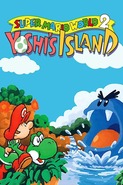
Yoshi's Island featured a gorgeous hand-drawn art style that looked like a living storybook. Its egg-throwing mechanics, baby Mario crying in a bubble, and playful level design set it apart from every other platformer. The game's charm and creativity made it a fitting swansong for the SNES era.
How home console gaming evolved through two defining decades.
The NES brought gaming into the home with a friendly face and a robust library. Super Mario Bros. taught a generation how to platform, The Legend of Zelda introduced exploration, and Castlevania proved horror could be pixelated. These titles established the template for console gaming identity.
Not every classic needed a mascot. Tetris proved that pure gameplay could captivate millions. Meanwhile, Mega Man 2 demanded precise platforming and Contra tested reflexes with overwhelming odds. These games showed that challenge and clever design were just as important as production value.
The 16-bit era was defined by personality. Sonic raced onto the Mega Drive with attitude, while Super Mario World refined platforming perfection on the SNES. Donkey Kong Country showed what technical innovation could achieve, and Yoshi's Island proved that art direction mattered as much as processing power.
Think we missed one? Tell us which home console game deserves a spot in the rankings.
Pixel Console Classics is an independent editorial publication. We are not affiliated with Nintendo, Sega, Konami, Capcom, Rare or any other rights holders. All game titles, images and trademarks remain the property of their respective owners.